
Post-Production Reflections: Thinking through Sound Design via Breathwork
Key To Freedom: A Supernatural Historical Drama

Hi Friends,
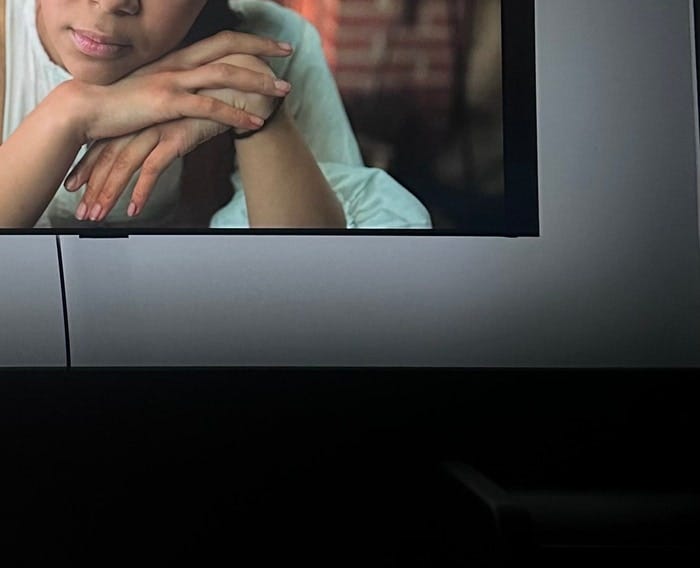
As we enter the middle of June, the KEY TO FREEDOM team is entering the tail end of our post production journey. It’s been such a joyful and creative ride. The week before last was a packed one-- we started off at the lovely Residence Pictures, our post house, and got to see the magic of color grading in full force as our color grader & creative wizard, Vicki, began testing out how to push the elements of horror and cinematic tensions through color filters and light levels in our shots. Shout out to Vicki for also having an incredible smelling candle in her studio, I felt cocooned in florals and sweet smelling goodness.
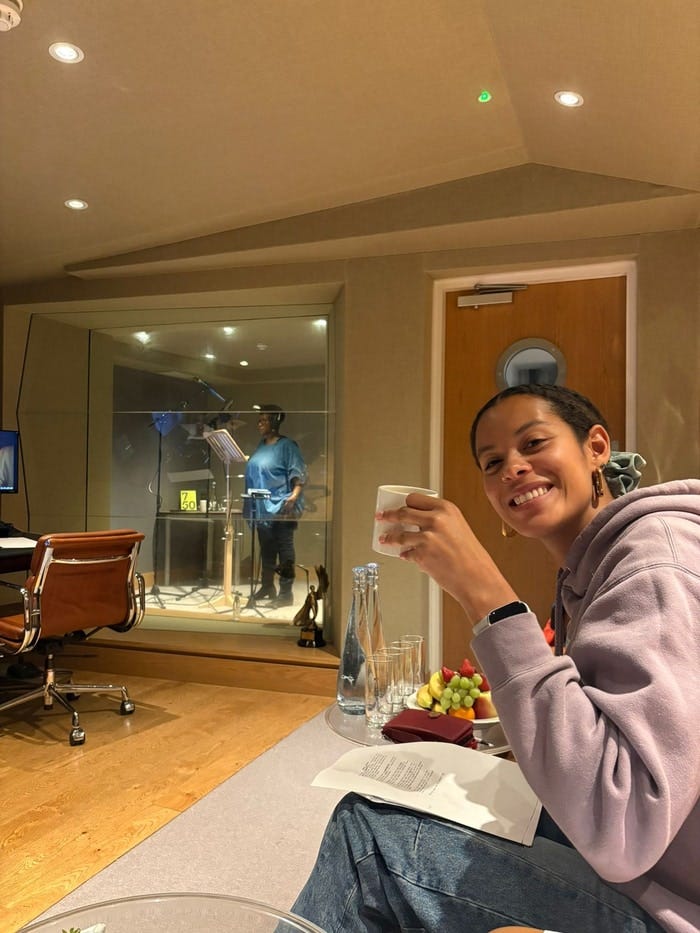
After color grading, we were welcomed by our gracious hosts at 750 mph sound design studio for our ADR sessions where it was the BEST part of my week to reunite with all of our beloved cast members! We re-recorded some lines that had become obscured (the dangers of shooting dialogue scenes with many, many wind machines blowing in the background!) and Oyeko (who plays Mama) was a full on horror champ with her screaming and gurgling into the microphone. All of this gorgeous sound material will now be passed off to our dear sound designer, Chad Orororo, who’s hard at work in his studio mixing up design soundscapes that tap into KEY TO FREEDOM’s narrative elements audio-wise.
In our co-brainstorms, Chad and I have recently been digging into the offerings of breathwork. For us, breathwork is one element of sound that helps us access and explore how the presence or restriction of breath is intimately tied to questions of bodily autonomy and (un)freedom.
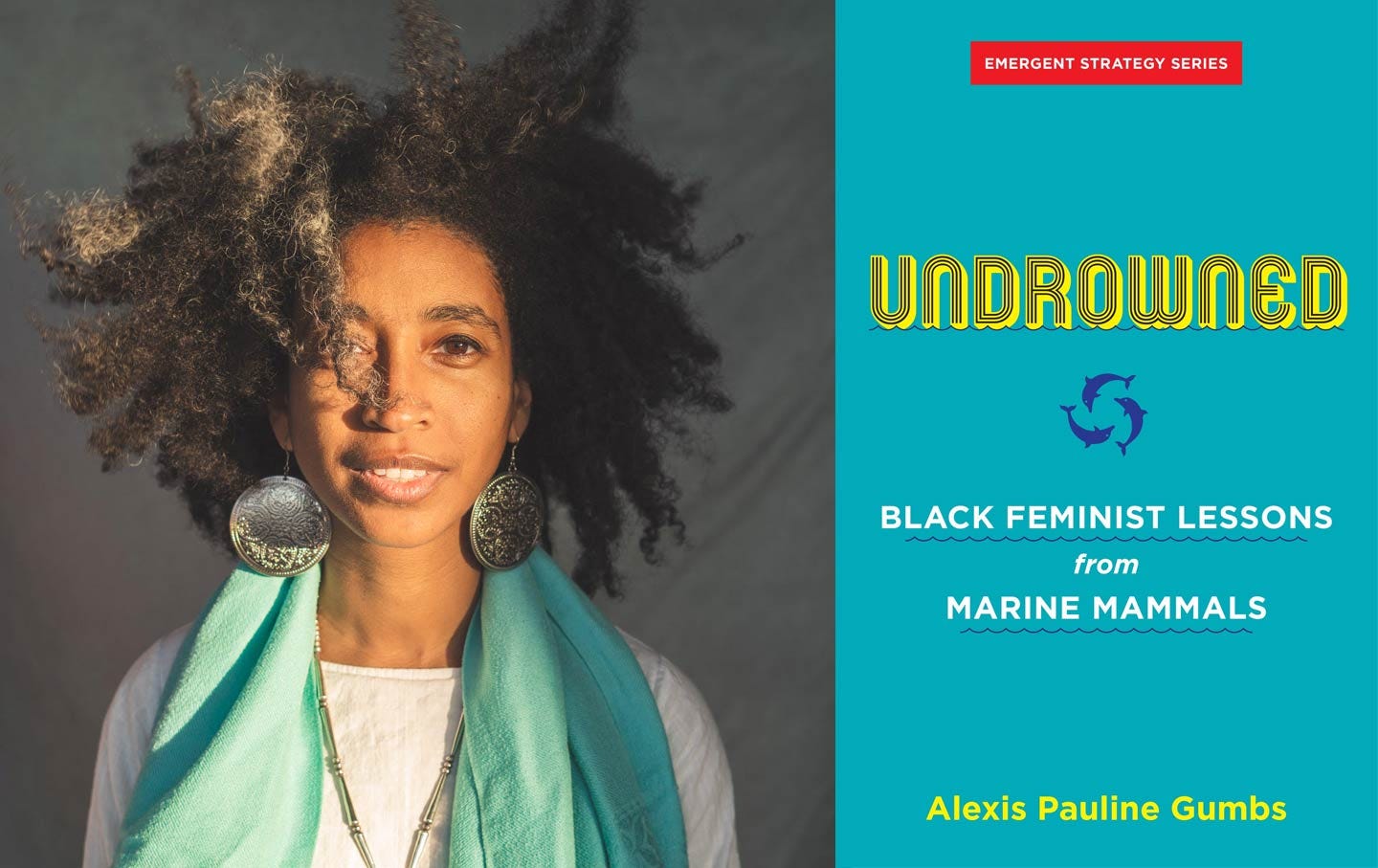
In this film, it felt important to us that as Elizabeth Key navigates her shifting landscape of freedom towards captivity, her breath mirrors this transformation from openness to constraint. We’re playing with rasp and the sounds of struggling to breathe. For me, breathwork in relation to Black history brings up Alexis Pauline Gumbs’ moving reflection of breathing, the Black Atlantics, and legacies of the slavetrade in her book, Undrowned. Gumbs points her readers to think and sit with how breathing is a context for both unfathomable brutality and irrepressible resilience when she writes:
“And if the scale of breathing is collective, beyond species and sentience, so is the impact of drowning. The massive drowning yet unfinished where the distance of the ocean meant that people could become property, that life could be for sale. I am talking about the middle passage and everyone who drowned and everyone who continued breathing.
I am saying that those who survived in the underbellies of boats, under each other under unbreathable circumstances are the undrowned, and their breathing is not separate from the drowning of their kin and fellow captives, their breathing is not separate from the breathing of the ocean, their breathing is not separate from the sharp exhale of hunted whales, their kindred also. Their breathing did not make them individual survivors. It made a context.”
As I think through Gumbs’ writing, I also can’t help but think about the connection between breath and the womb. How Elizabeth Key was breathing for herself but also for her unborn child. How the moment she found out her child’s freedom had been stolen and sold, Elizabeth’s breath must have literally left her body. 364 years later, I think of the wrenching moment that I heard that George Floyd’s last words in 2020 were both “I can’t breathe” and “Mama.” And on the denial of breath, I think about how corporate pollution habits have created a world that will increasingly limit who has the right to breathe in clean air.
Yet in times of feeling overwhelming anxieties and fears towards uncertain futures, I cannot deny the stubborn optimism and sheer beauty of hearing a child’s first breath during my work as a doula. I also think about the way that a woman giving birth must re-learn how to breathe through overwhelming labor pains in order to channel enough strength to push out a child. In my own life, I remember how my own mother used to calm me down as a child during times of turmoil by making me breathe to her count of three.
These are some of the reflections that Chad and I are working through as we get ready to pair up with our composer, James Mollison, who is in the early stages of bringing together KEY TO FREEDOM’s score through… a wind instrument!
This is what I love most about filmmaking: the thought and research and intentionality behind our creative choices. As I keep thinking through them, I’ll be writing and reflecting more in depth here so, thank you again for your incredible giving toward this film. It’s allowed us the ability to work with the incredible teams at Residence Pictures and 750 mph studio and to collaborate with thoughtful post-production creatives like Chad and James. I hope that by writing about the inspirations and choices that informed the direction of KEY TO FREEDOM, you can really get a chance to feel behind the scenes of our story and understand the intimacy of the creative work shaping our film.
Speak soon <3,
E. Zinha
Craving a deeper diver? Recommended resource: On Water, Salt, Whales, and The Black Atlantics by Alexis Pauline Gumbs and Christina Sharpe [The Funambulist, 2021].
A lovely article! What a pleasure to read your insights on this film — so excited to finally see it once it’s released!